Depression and anxiety are among the most common mental and emotional challenges faced by people today. They can deeply affect daily life, relationships, work performance, sleep, and overall quality of living. While modern medicine, therapy, and counseling play an important role in treatment, many individuals seek holistic and complementary healing approaches to support their recovery.
One such gentle yet powerful method is Reiki healing — an energy-based therapy that works on emotional, mental, and spiritual levels to promote inner balance, calmness, and well-being.
This blog explores how Reiki healing supports individuals dealing with depression and anxiety, how it works energetically, and what benefits you can expect.

Understanding Depression and Anxiety
Depression and anxiety are complex conditions that affect millions of people worldwide.
What Is Depression?
Depression is characterized by:
- Persistent sadness or emptiness
- Loss of interest in activities once enjoyed
- Low energy and motivation
- Feelings of hopelessness or worthlessness
- Disturbed sleep and appetite
What Is Anxiety?
Anxiety often includes:
- Excessive worry or fear
- Restlessness or nervousness
- Racing thoughts
- Physical symptoms such as palpitations or tension
- Difficulty concentrating or relaxing
Both conditions affect not only the mind but also the body’s energy system, often creating blockages that keep individuals stuck in emotional distress.
Reiki: A Holistic Approach to Emotional Healing
Reiki is a Japanese energy healing technique developed by Mikao Usui in the early 20th century. It is based on the understanding that life force energy (Ki) flows through every living being. When this energy is balanced, we experience harmony and well-being. When it is blocked or depleted, emotional and physical imbalances may arise.
Reiki works by:
- Channeling universal life force energy
- Clearing energetic blockages
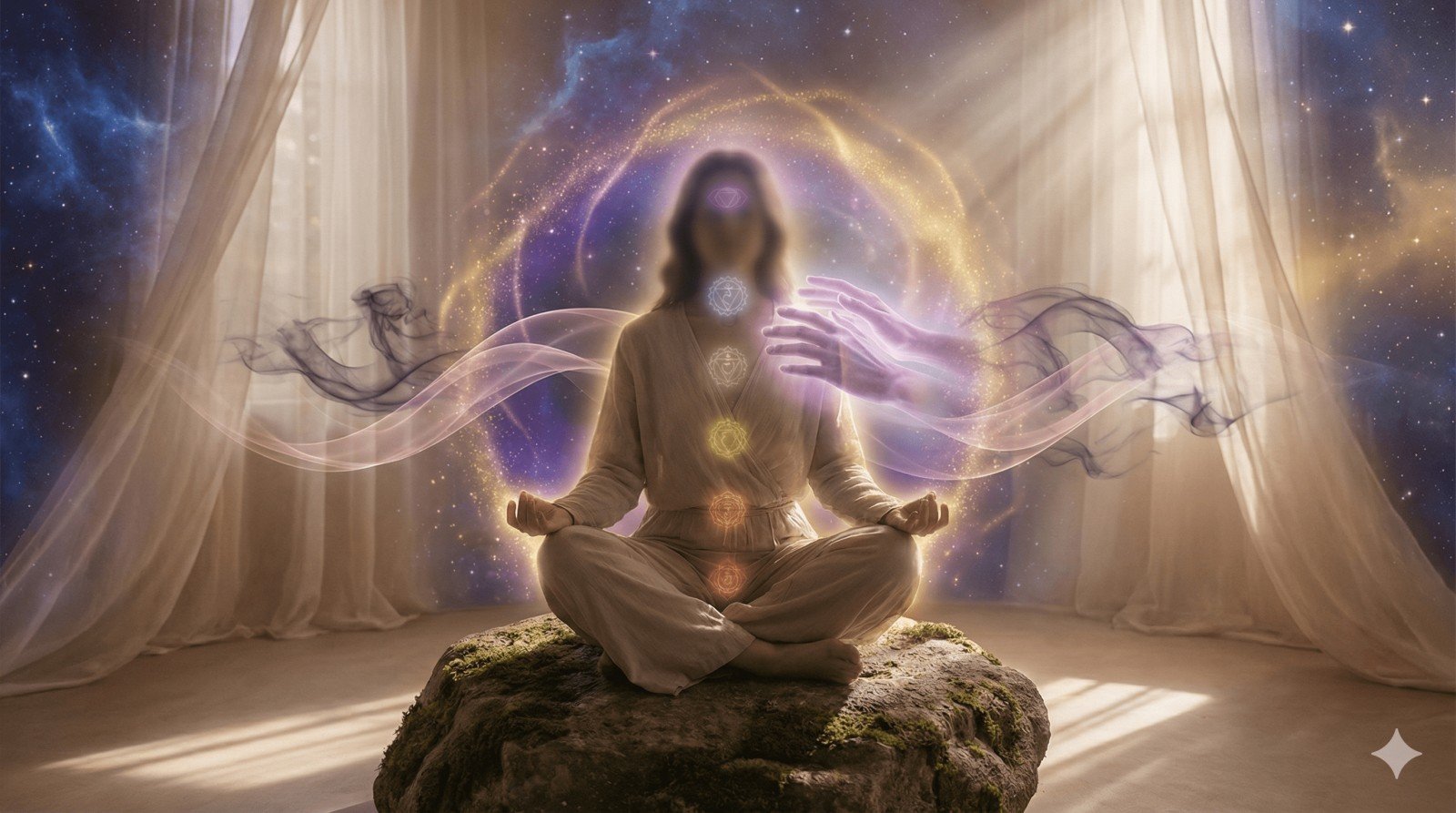
- Balancing chakras and the aura
- Inducing deep relaxation and calm
Because depression and anxiety often involve emotional and energetic stagnation, Reiki supports healing at a deeper, root level.
How Reiki Helps with Depression and Anxiety
Reiki healing does not force change. Instead, it gently supports the body and mind’s natural ability to heal.
1. Deep Relaxation and Stress Reduction
Reiki induces a meditative state that calms the nervous system. This helps reduce:
- Mental overactivity
- Chronic stress
- Anxiety-driven thought patterns
2. Emotional Balancing
Reiki works on emotional blockages stored within the energy body, helping release:
- Suppressed emotions
- Emotional trauma
- Feelings of sadness, fear, or overwhelm
As emotions balance, individuals often feel lighter and more stable.
3. Chakra Healing for Mental Well-Being
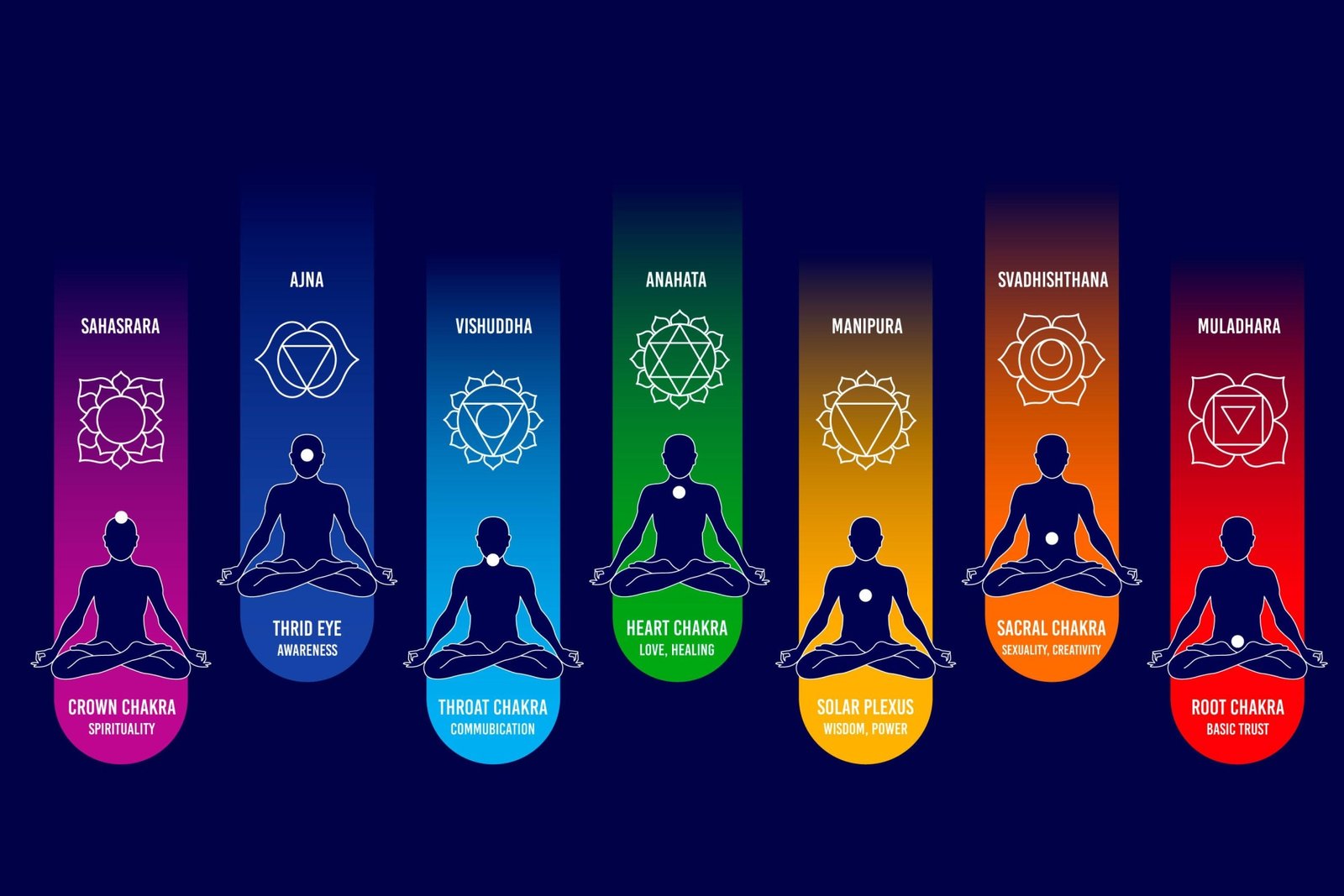
Depression and anxiety are commonly linked to imbalances in:
- Root Chakra – fear, insecurity
- Heart Chakra – emotional pain, grief
- Solar Plexus Chakra – low self-worth
- Third Eye Chakra – overthinking, confusion
Reiki helps restore balance in these energy centers.
4. Releasing Energetic Blockages
Negative emotions and prolonged stress can create energetic blockages. Reiki gently dissolves these blocks, allowing energy to flow freely again, which supports emotional clarity and healing.
5. Improving Mood and Inner Awareness
Regular Reiki sessions often lead to:
- Improved emotional awareness
- Greater self-understanding
- A calmer, more grounded mindset
- Increased emotional resilience
Benefits of Reiki for Depression and Anxiety
Reiki offers a wide range of holistic benefits:
- 🌿 Gentle and non-invasive healing
- 🧘 Promotes calmness and relaxation
- 💗 Supports emotional release and balance
- 🌙 Improves sleep quality
- 🌱 Enhances mental clarity and focus
- ✨ Complements therapy and medical care
Reiki empowers individuals to actively participate in their healing journey rather than feeling helpless or overwhelmed.
What to Expect During a Reiki Session
Each Reiki experience is unique, but common experiences include:
- Deep relaxation or meditative calm
- Sensations of warmth, tingling, or lightness
- Emotional release such as tears or relief
- Feeling peaceful, supported, and centered
Sessions can be conducted in person or through distance Reiki healing, making it accessible worldwide.
Reiki Techniques Used for Depression and Anxiety
1. Full-Body Reiki Healing
Hands are placed gently over or near the body to balance overall energy flow.
2. Chakra Balancing
Focused Reiki energy is directed to chakras linked with emotional health.
3. Aura Cleansing
Negative or heavy energies are cleared from the aura, promoting emotional stability.
Reiki as a Complementary Therapy
Reiki is not a replacement for therapy, medication, or professional mental health care. However, it works beautifully as a complementary healing practice, supporting emotional strength, grounding, and inner peace alongside conventional treatment.
Conclusion
Healing depression and anxiety requires compassion, patience, and a holistic approach. Reiki healing offers a gentle yet effective pathway to emotional balance by addressing stress, energetic blockages, and emotional wounds at their root.
For those seeking calmness, emotional clarity, and inner strength, Reiki can be a powerful ally in the healing journey.
Summary
Reiki healing supports individuals experiencing depression and anxiety by promoting relaxation, balancing emotions, clearing energetic blockages, and restoring inner harmony. As a complementary therapy, Reiki empowers individuals to reconnect with peace, resilience, and emotional well-being.
⚠️ Disclaimer
The information provided in this article is intended for educational and spiritual awareness purposes only. Reiki healing is a complementary therapy and is not a substitute for professional medical, psychological, or psychiatric treatment. Results may vary from person to person. Always consult a qualified healthcare or mental health professional for medical concerns. Reiki Healings India does not claim to diagnose, treat, cure, or prevent any disease or condition.